How to Improve Your Website Authority with Smart Automation
Algorithmic Development and the Function of Tiered Link Structure in 2026
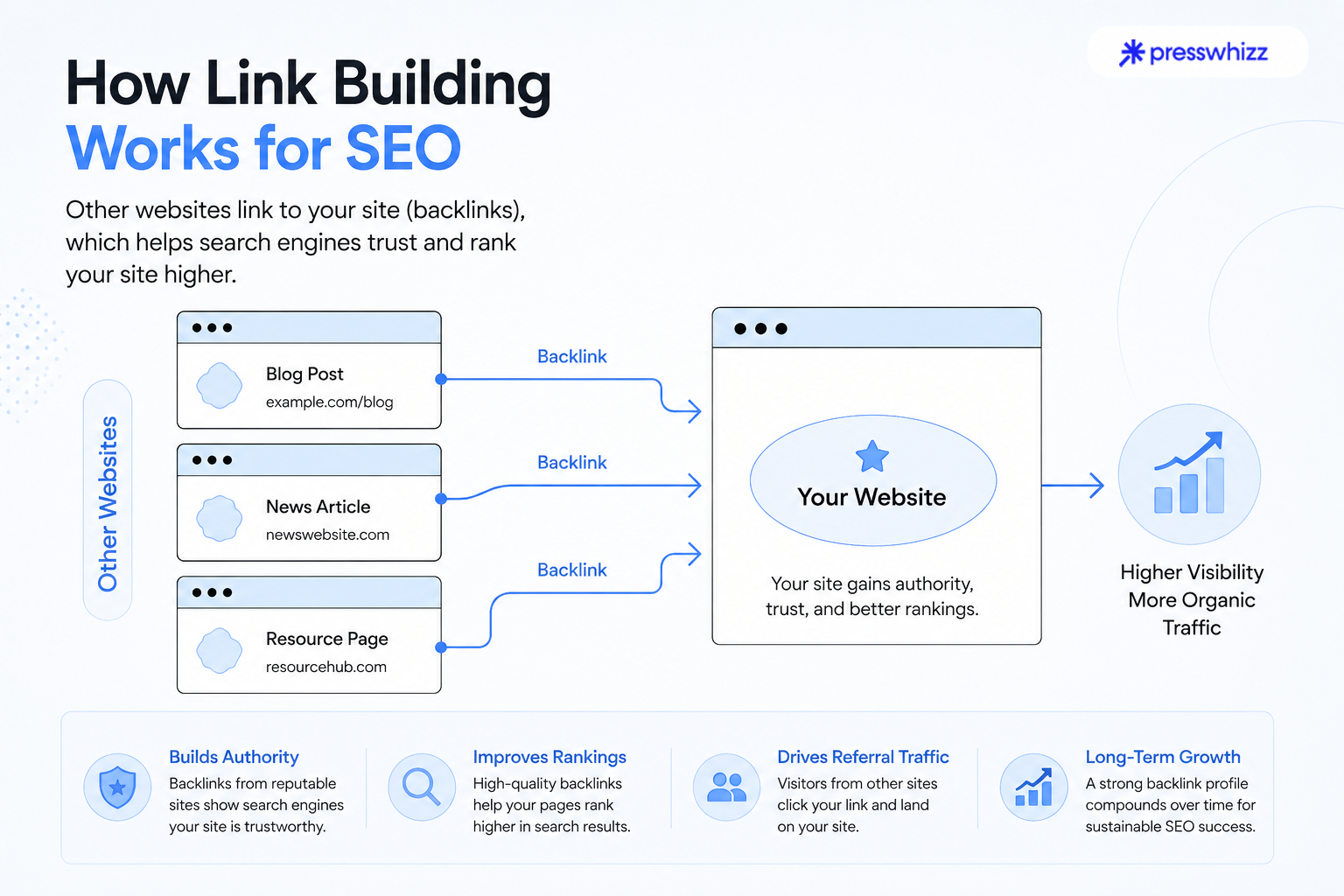
Online search engine in 2026 run with a level of sophistication that makes conventional, flat backlinking profiles less effective. The current focus centers on the concept of topical authority and entity relationships. In this environment, a direct link from a reasonably relevant website is frequently inadequate to press a page into the leading positions for competitive keywords. This is where tiered link building enters into play, creating a buffer and a multiplier effect for every high-quality placement.A tiered structure includes building links to your links. The main layer, understood as Tier 1, consists of high-authority, contextually appropriate websites that point directly to the target URL. Tier 2 links indicate the Tier 1 links, enhancing their authority and making sure online search engine spiders discover and value them. Tier 3 links press the Tier 2 layer, offering the needed volume to signal broad interest and activity across the web. This hierarchical method mimics natural viral development while enabling for more aggressive methods at the lower levels where the risk to the main site is minimized.Strategic execution in 2026 requires understanding how AI-driven filters analyze these patterns. Modern algorithms try to find "link velocity anomalies" and "semantic mismatches." To bypass these difficulties, successful projects focus on building clusters of material that support each other. Instead of isolated links, the objective is to create a digital footprint that suggests the target page is the definitive source within its specific niche.
Tier 1: Developing Authority and Trust
The very first tier stays the most sensitive part of the operation. In 2026, these links must come from sites with real traffic and recognized history. Visitor posts on trustworthy market blog sites, specific niche edits on aged articles, and PR-driven mentions are the requirement here. Since these links are the only ones touching the cash site, they should pass every handbook and automated check.The content used for Tier 1 must be indistinguishable from natural editorial content. AI detection tools used by online search engine have actually become extremely efficient at identifying low-effort, artificial text. For that reason, Tier 1 content typically requires human oversight or really high-end neural network outputs that have been improved for particular topical significance. Businesses that prioritize GSA Search Engine Ranker Basics typically find their Tier 1 properties maintain value longer even during aggressive core updates.When these top quality links are established, they function as the "face" of the link structure project. Even a link from a significant publication can lose its impact if it sits on a page that gets no external signals. This is why the subsequent tiers are necessary. They provide the "social evidence" and "authority juice" that keeps the Tier 1 links active and effective in the eyes of the 2026 crawlers.
Tier 2: The Engine of Scale and Importance
Tier 2 is where automation begins to play a substantial role. The main objective of this layer is to increase the Page Authority (PA) of the Tier 1 pages. In 2026, many professionals use cloud stacking and S3 bucket pages to develop out this middle layer. By hosting content on high-authority domains like Amazon, Google, or Microsoft cloud services, these links acquire a level of trust that is tough to replicate with fresh domains.Automated tools can produce hundreds of these Tier 2 pages, each enhanced for secondary and long-tail keywords. The material at this level does not require to be perfect, however it needs to be readable and semantically associated to the Tier 1 subject. Spintax has actually progressed into "contextual rewriting," where AI models generate variations of a core message that preserve the same meaning while using completely different syntax. This prevents the footprint concerns that pestered earlier variations of automated link building.The usage of niche edits at the Tier 2 level is also a typical practice. By finding existing pages that already have some authority and adding a link to the Tier 1 asset, a professional can bypass the "sandbox" duration connected with brand-new pages. This produces a more immediate boost in power. Implementing GSA Search Engine Ranker Software Capability Overviews supplies a clear course to ranking when these Tier 2 signals are called in properly.
Tier 3: Driving Discovery and Volume
The third tier is the furthest removed from the main website. Its function is mainly technical: it indicates to search engines that the Tier 2 pages are worth crawling. In 2026, Tier 3 includes mass-scale social signals, profile links, and high-volume blog discuss niche-relevant sites. While these links have very little private value, their cumulative power depends on the large volume of discovery signals they generate.Automation is the only way to manage Tier 3 effectively. Tools that can deal with account creation, captcha fixing, and content distribution are used to blast countless links toward the Tier 2 layer. This creates a "buzz" around the intermediate pages. It is very important to keep in mind that these links ought to never ever point directly to the primary website, as the quality is too low for the existing algorithmic standards. They serve just as a catalyst for the higher tiers.One of the most effective Tier 3 strategies in the current year includes using video descriptions and podcast show notes. Automated systems can distribute short-form video content across numerous platforms, each containing a link back to a Tier 2 property. This multi-media method simulates the way genuine users share information in 2026, making the whole link chart appear more organic.
Handling Link Velocity and Footprints
The most significant danger to a tiered link structure campaign is the detection of a pattern. Search engines try to find clusters of links that appear at the exact same time or originate from the exact same set of IP addresses. To counter this, specialists use distributed proxy networks and differed scheduling. A Tier 1 link may be built on Monday, with Tier 2 links appearing gradually over the next 3 weeks, and Tier 3 signals starting just after the Tier 2 links have actually been indexed.Footprint management also reaches the technical side of the websites utilized in the tiers. Using a range of CMS platforms-- WordPress, Ghost, Hugo, and custom-made HTML-- avoids the algorithm from recognizing a network based upon common code snippets. Even the option of hosting service providers and DNS settings need to be randomized. In 2026, the intricacy of these footprints has reached a point where manual management is nearly difficult, demanding using specialized software application designed for large-scale operations.Another crucial element is the anchor text circulation. In the past, people over-optimized for exact-match keywords. In 2026, this is a fast lane to a manual penalty. Tier 1 links should mainly use top quality or generic anchors. Tier 2 can start to utilize more detailed expressions, and Tier 3 is where the most aggressive keyword-rich anchors are utilized. This "funnel" of relevance ensures that the power of the keyword is passed up the chain without creating a red flag at the top.
The Combination of AI Material in Automated Tiers
The advancement of LLMs (Big Language Designs) has actually altered the cost-benefit analysis of tiered building. In previous years, the cost of generating distinct material for Tiers 2 and 3 was high. Now, AI agents can be set to research a topic, determine the key entities included, and produce thousands of unique articles that please the online search engine's requirements for topical depth.These representatives can also be advised to include outbound links to high-authority, non-competing websites like Wikipedia or major news outlets. This practice, called "outgoing link mixing," makes the automated pages look more like legitimate resources and less like link farms. By placing the Tier 1 link amongst other high-quality recommendations, the automated page gains more trustworthiness during the algorithmic crawl.The material technique for these tiers need to concentrate on "entity salience." The AI guarantees that the most essential terms related to the niche are utilized in the appropriate context and frequency. This enhances the subject of the Tier 1 page, which in turn strengthens the target website. This semantic web is what the 2026 algorithm looks for when identifying which website should be the "main" answer for a user's question.
Tracking and Preserving the Tiers
A tiered link profile is not a "set it and forget it" system. Hyperlinks break, websites decrease, and online search engine algorithms shift. Routine tracking of the Tier 1 and Tier 2 layers is needed to ensure the flow of authority remains uninterrupted. If a Tier 1 link is lost, the whole structure supporting it must be rerouted to a brand-new possession to prevent the loss of momentum.Using backlink tracking tools that supply real-time notifies permits fast pivots. In competitive specific niches, the loss of a single high-power Tier 1 link can lead to a substantial drop in rankings. Having a "buffer" of additional Tier 1 links all set to be triggered is a common technique for top-tier SEO experts. This redundancy ensures that the ranking remains stable even when the external environment is volatile.Maintenance also includes "rejuvenating" the Tier 3 layer. Due to the fact that lots of Tier 3 links are on low-authority or ephemeral platforms, they tend to drop out of the index quickly. Regularly running new automated campaigns to re-index the Tier 2 pages keeps the authority streaming. This continuous activity signals to the online search engine that the content is still pertinent which the discussion surrounding it is continuous.
Future-Proofing Link Strategies
As we look even more into 2026, the line between "automated" and "organic" continues to blur. The key to mastering this environment is to concentrate on the intent behind the links. A link ought to exist since it offers value or context to a discussion. Even in a tiered structure, the more a project can simulate this reality, the more effective it will be.The use of automation should not be viewed as a method to "cheat" the system, however as a method to scale a tested method. By dealing with the repetitive tasks of material generation, website release, and signal distribution, automation permits the SEO expert to focus on the higher-level method. This includes determining the right specific niches, choosing the most impactful Tier 1 targets, and changing the total "heat" of the project based upon the existing algorithmic climate.In 2026, success in organic search comes from those who can balance the accuracy of manual outreach with the power of automated scale. Tiered link structure stays the most effective way to achieve this balance. By developing a multi-layered shield of authority and significance, companies can secure their rankings and continue to drive traffic in even the most competitive sectors. The focus must always be on the long-term stability of the link graph, ensuring that every layer of the structure adds to the general goal of developing the target website as a leader in its field.