How to Utilize GSA SER for Local Browse Dominance
Automated Link Structure and Indexing Truth in 2026
The speed of online search engine updates in 2026 has forced a change in how SEO specialists approach automated link building. Software Application like GSA Search Engine Ranker (SER) stays a staple for those operating in high-competition sectors, but the volume of links developed no longer guarantees visibility. The primary obstacle is the indexing rate. Online search engine have ended up being more selective about which pages they crawl and include in their databases, frequently neglecting the low-tier context where automated links typically live. Without a secondary method to require discovery, thousands of generated links might never ever add to a website's authority.
Current shifts in spider habits suggest that standard pinging services and easy RSS feed submissions have actually lost their efficiency. Modern search algorithms now utilize neural analysis to identify if a link is worth following. This change has actually generated AI-powered indexing services that do more than simply send out a "hi, appearance here" signal to a bot. These services replicate human-like interaction and utilize distributed networks to make sure that the search engine spider actually processes the target page.
The Mechanics of AI-Assisted Link Discovery
AI indexing services in 2026 operate by creating a path of digital breadcrumbs. Instead of just submitting a URL to a list, these tools generate contextually relevant content around the link on high-authority platforms. They utilize large language designs to ensure the surrounding text passes basic quality checks. This makes the link look like a natural part of a discussion or a resource list rather than a machine-generated entry in a database. When GSA SER ends up a run, the exported URLs are fed into these AI systems to begin the discovery procedure instantly.
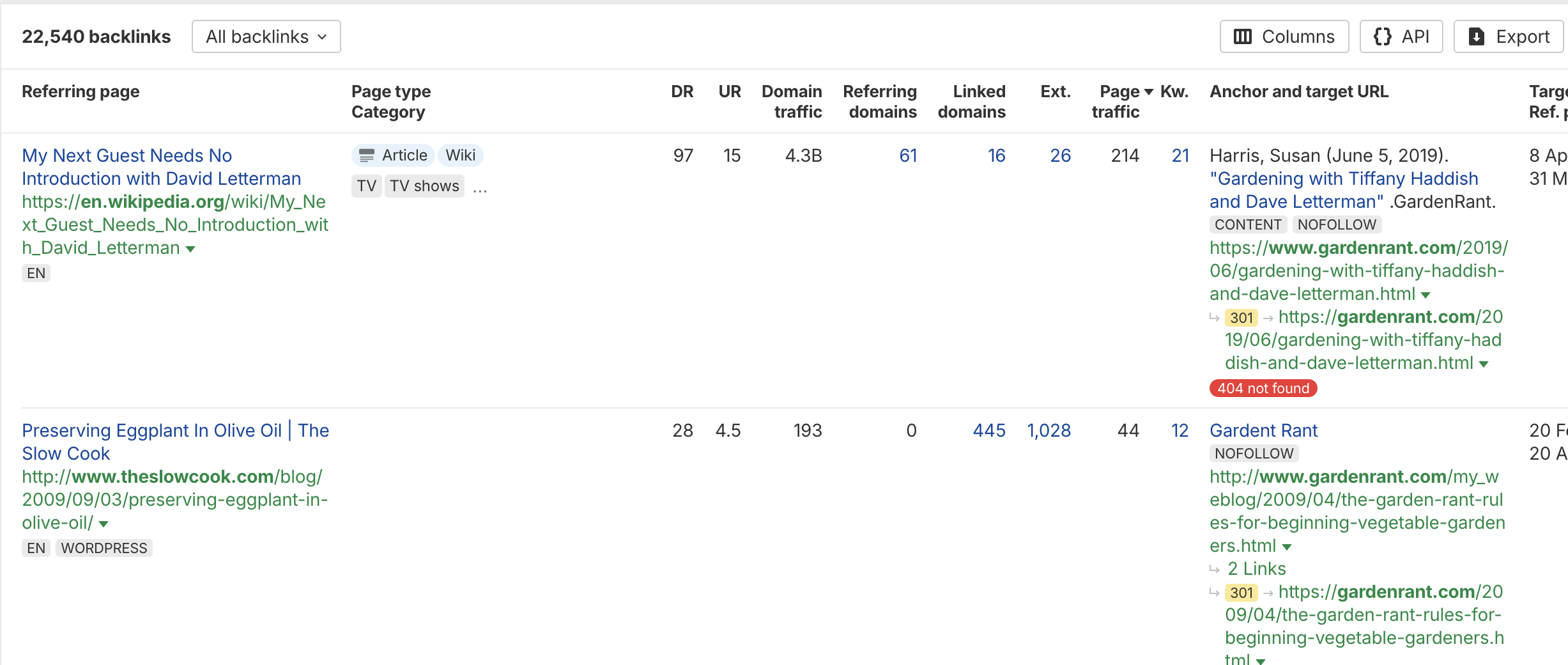
The synergy between high-speed link production and smart indexing is especially visible in niches where competition is intense and website life expectancies are short. Numerous practitioners concentrating on search optimization have discovered that the ratio of indexed links to developed links is the only metric that truly correlates with ranking movements. By filtering GSA SER output to just consist of confirmed URLs and after that passing those through a multi-stage AI indexer, it is possible to achieve outcomes that as soon as needed much bigger budget plans.
Configuration Techniques for Competitive Specific Niches
Success with GSA SER in 2026 requires a more surgical technique than in previous years. Users have actually moved away from "kitchen area sink" campaigns, instead opting for tiered structures where the AI indexing is concentrated on the top 2 tiers. The very first tier includes top quality web 2.0 s or niche-relevant profiles, while the second tier uses GSA SER to build volume. The indexing service is then applied to the 2nd tier to ensure the authority flows up to the cash website.
Setting up these campaigns includes tight control over the engines used within the software application. Avoiding outdated platforms that online search engine have actually long because blacklisted is essential. Instead, many focus on more recent CMS platforms and social signals that indicate real user activity. When these links are coupled with digital marketing strategies, the outcomes tend to be more steady throughout algorithm revitalizes. The goal is to develop a footprint that looks like a sudden rise in real interest instead of a scripted bot attack.
Managing the flow of data is another crucial element. Most high-end indexing services now provide APIs that integrate straight with link-building tools. This enables a hands-off procedure where links are confirmed and sent for indexing in real-time. This lowers the "dead time" between a link being created and a search engine recognizing its presence, which is important in 2026 when rivals are most likely using similar automation.
The Function of Content Quality in Automation
Even with GSA SER, the quality of the material used in the "spun" posts matters especially. AI-driven filters at the search engine level can now find low-entropy text with high accuracy. Effective operators now utilize external AI content generators to develop the "spintax" used in their GSA SER jobs. This guarantees that every variation produced by the software application has a higher chance of being read as human-written by the spiders. When the indexing service brings a bot to the page, the content needs to be excellent enough to keep the bot there enough time to register the link.
This focus on quality encompasses the choice of anchor text. Over-optimization is a death sentence in 2026. Most strategic executions include a heavy dependence on generic and top quality anchors, with exact match keywords utilized moderately. This develops a natural-looking profile that the AI indexing services can promote without setting off spam filters. A site that grows through GSA Search Engine Ranker Pricing need to maintain this balance to remain on the first page of results.
Performance and Resource Management
Running these systems at scale requires significant server resources. High-speed proxies and dedicated servers are the backbone of any GSA SER setup. However, the cost of AI indexing can accumulate quickly. Experts frequently prioritize which links get the "premium" indexing treatment. A link on a domain with an existing high trust score is worth the extra invest on AI indexing, whereas a link on a brand-new, low-authority online forum might just get a basic ping.
Information from 2026 shows that websites utilizing a mix of automated building and AI indexing see a 40% faster ranking increase compared to those utilizing automation alone. This speed is what makes the method viable despite the higher operational costs. In specific niches like financing or video gaming, being on the first page even two weeks earlier can lead to an enormous distinction in profits. The integration of these two technologies is not about doing less work, however about making the work done by the software actually count for something in the eyes of the online search engine.
Numerous are likewise taking a look at the durability of these links. While automated links are typically viewed as momentary, those that are successfully indexed through AI-driven methods tend to stay in the online search engine's cache longer. This is because the indexing service typically develops numerous courses for the spider to find the link, essentially "enhancing" its existence on the web. This layered approach is a trademark of effective GSA Search Engine Ranker Pricing projects in the present year.
Future Outlook for Automated SEO
As we move through 2026, the gap in between basic automation and "intelligent" automation continues to widen. Those who just fire up GSA SER and wish for the very best are discovering it harder to get any traction. The winners are those who treat the software as a source of basic materials which need to then be fine-tuned and promoted through AI indexing services. The procedure has become a sophisticated information management task where the quality of the "discovery" phase is simply as crucial as the "creation" phase.
The development of these tools suggests that we might soon see link-building software and indexing services merge into single, unified platforms. In the meantime, the integration of different specialized tools remains the most efficient way to preserve an edge. By remaining informed on the most recent spider updates and changing the AI indexing criteria accordingly, SEOs can continue to discover success in the most competitive locations of the internet. The reliance on clever automation is no longer a choice however a requirement for those who wish to contend at the greatest levels of search presence.