Techniques for Scaling SEO Without Sacrificing Domain Stability
Automated Link Structure and Indexing Reality in 2026
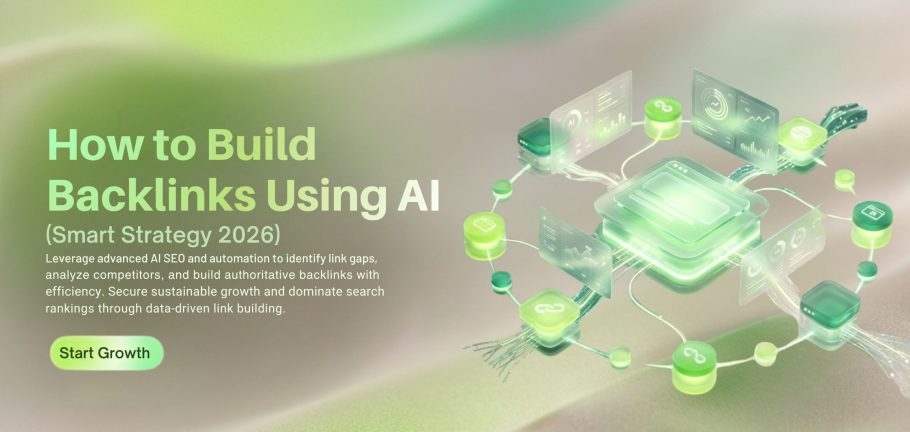
The speed of search engine updates in 2026 has actually forced a change in how SEO specialists approach automated link building. Software like GSA Online Search Engine Ranker (SER) stays a staple for those operating in high-competition sectors, however the volume of links created no longer ensures exposure. The primary barrier is the indexing rate. Search engines have ended up being more selective about which pages they crawl and include in their databases, frequently overlooking the low-tier context where automated links often live. Without a secondary strategy to require discovery, thousands of created links may never ever add to a site's authority.
Current shifts in spider habits suggest that standard pinging services and simple RSS feed submissions have lost their efficiency. Modern search algorithms now use neural analysis to determine if a link deserves following. This modification has generated AI-powered indexing services that do more than simply send a "hello, appearance here" signal to a bot. These services imitate human-like interaction and utilize dispersed networks to make sure that the search engine spider actually processes the target page.
The Mechanics of AI-Assisted Link Discovery
AI indexing services in 2026 run by creating a trail of digital breadcrumbs. Rather of simply sending a URL to a list, these tools produce contextually relevant content around the link on high-authority platforms. They use big language models to ensure the surrounding text passes standard quality checks. This makes the link look like a natural part of a discussion or a resource list rather than a machine-generated entry in a database. When GSA SER finishes a run, the exported URLs are fed into these AI systems to start the discovery procedure right away.
The synergy in between high-speed link development and intelligent indexing is especially noticeable in niches where competition is fierce and website life expectancies are brief. Lots of practitioners concentrating on search optimization have actually found that the ratio of indexed links to developed links is the just metric that really correlates with ranking motions. By filtering GSA SER output to just include validated URLs and then passing those through a multi-stage AI indexer, it is possible to achieve outcomes that as soon as needed much bigger budget plans.
Setup Techniques for Competitive Niches
Success with GSA SER in 2026 requires a more surgical method than in previous years. Users have moved away from "cooking area sink" campaigns, rather deciding for tiered structures where the AI indexing is concentrated on the top 2 tiers. The first tier includes premium web 2.0 s or niche-relevant profiles, while the 2nd tier uses GSA SER to develop volume. The indexing service is then applied to the 2nd tier to make sure the authority flows upward to the cash site.
Establishing these campaigns involves tight control over the engines used within the software. Avoiding out-of-date platforms that browse engines have actually long because blacklisted is necessary. Instead, lots of concentrate on newer CMS platforms and social signals that show real user activity. When these links are coupled with digital marketing strategies, the outcomes tend to be more stable across algorithm revitalizes. The objective is to produce a footprint that looks like an abrupt surge in genuine interest rather than a scripted bot attack.
Managing the flow of data is another vital element. A lot of high-end indexing services now supply APIs that incorporate directly with link-building tools. This enables a hands-off procedure where links are validated and sent for indexing in real-time. This minimizes the "dead time" between a link being created and a search engine recognizing its presence, which is important in 2026 when rivals are likely utilizing similar automation.
The Role of Content Quality in Automation
Even with GSA SER, the quality of the material utilized in the "spun" articles matters more than ever. AI-driven filters at the search engine level can now find low-entropy text with high precision. Effective operators now use external AI content generators to develop the "spintax" utilized in their GSA SER jobs. This makes sure that every variation produced by the software application has a greater possibility of being checked out as human-written by the spiders. When the indexing service brings a bot to the page, the content should suffice to keep the bot there enough time to sign up the link.
This concentrate on quality extends to the choice of anchor text. Over-optimization is a death sentence in 2026. Many strategic executions involve a heavy reliance on generic and top quality anchors, with exact match keywords used sparingly. This creates a natural-looking profile that the AI indexing services can promote without setting off spam filters. A site that grows through Asia Virtual Solutions Tutorial Series must preserve this balance to remain on the first page of outcomes.
Performance and Resource Management
Running these systems at scale needs considerable server resources. High-speed proxies and devoted servers are the foundation of any GSA SER setup. The cost of AI indexing can add up quickly. Professionals often prioritize which links get the "premium" indexing treatment. For example, a link on a domain with an existing high trust rating is worth the additional invest on AI indexing, whereas a link on a new, low-authority forum may simply get a basic ping.
Information from 2026 suggests that sites utilizing a mix of automated building and AI indexing see a 40% faster ranking boost compared to those utilizing automation alone. This speed is what makes the method viable despite the higher operational expenses. In niches like financing or video gaming, being on the first page even 2 weeks previously can lead to a massive distinction in revenue. The integration of these 2 technologies is not about doing less work, but about making the work done by the software application in fact count for something in the eyes of the online search engine.
Many are likewise taking a look at the durability of these links. While automated links are frequently seen as short-term, those that are effectively indexed through AI-driven approaches tend to remain in the online search engine's cache longer. This is due to the fact that the indexing service often develops multiple paths for the crawler to discover the link, basically "enhancing" its existence on the web. This layered technique is a trademark of effective Asia Virtual Solutions Tutorial Series campaigns in the current year.
Future Outlook for Automated SEO
As we move through 2026, the space in between fundamental automation and "smart" automation continues to expand. Those who just fire up GSA SER and expect the very best are finding it harder to get any traction. The winners are those who deal with the software as a source of raw products which should then be refined and promoted through AI indexing services. The process has become a sophisticated information management job where the quality of the "discovery" stage is simply as important as the "production" stage.
The evolution of these tools recommends that we may soon see link-building software and indexing services combine into single, unified platforms. In the meantime, the integration of separate specialized tools remains the most effective way to keep an edge. By staying informed on the most current spider updates and adjusting the AI indexing specifications appropriately, SEOs can continue to find success in the most competitive areas of the internet. The reliance on clever automation is no longer a choice however a requirement for those who want to contend at the highest levels of search presence.