Why You Required a Varied Variety Of Link Platforms
The Search Environment of 2026
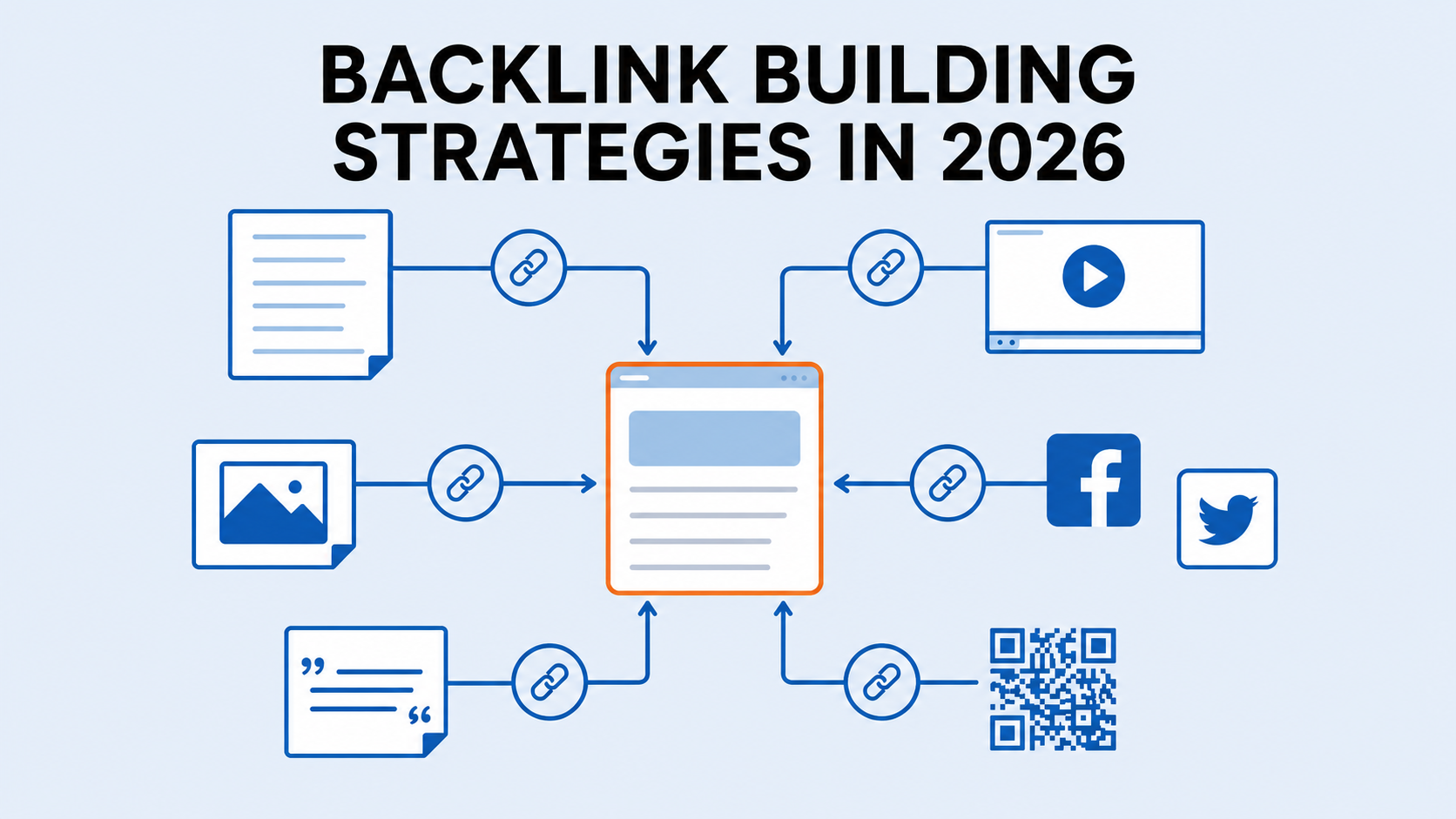
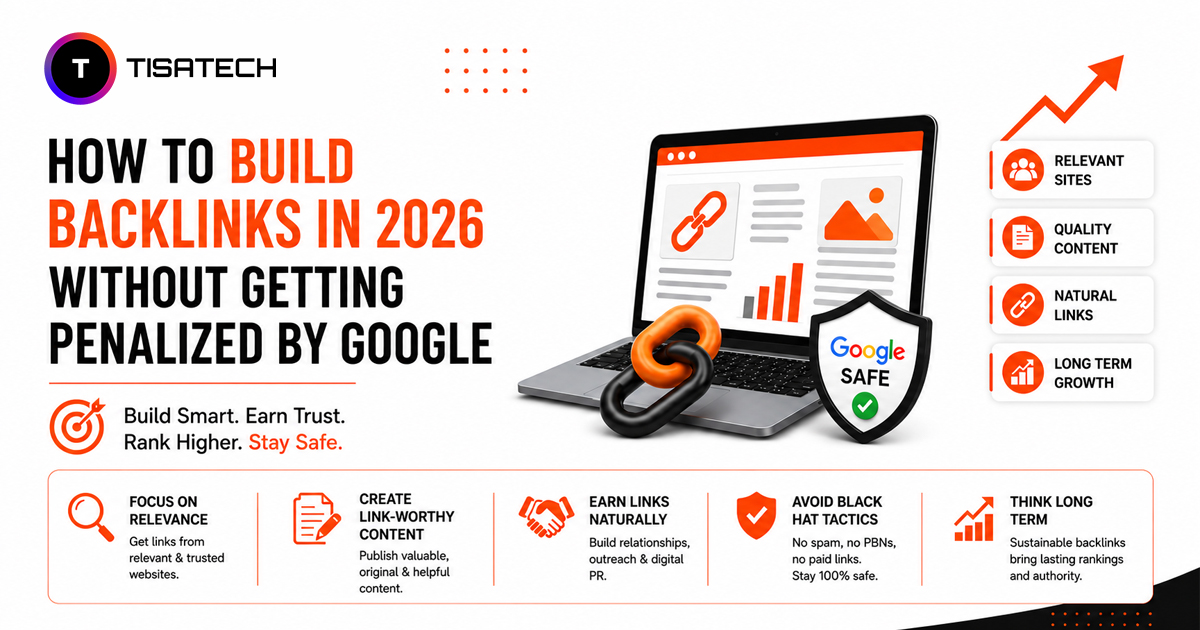
Browse algorithms in 2026 have moved away from basic keyword matching towards deep neural analysis of link origins and user habits. The era of mass-producing low-grade backlinks has actually ended, changed by a system that focuses on context and the intent behind a digital connection. For services running in competitive markets, the pressure to preserve exposure needs a move far from handbook, lengthy outreach towards sophisticated, safe automation. The goal is no longer just to get a high volume of links but to do so in such a way that mimics organic growth patterns while avoiding the warnings that activate modern penalties.
Neural filters now evaluate the "relevance range" between 2 linked pages. If a link appears on a site that has no thematic connection to the target, the algorithm treats it as a neutral or negative signal. In 2026, automation should focus on recognizing these thematic bridges before a single link is positioned. Strategic growth relies on these automated systems to scan countless data points, making sure that every connection feels rational to both human readers and search spiders. Relying on outdated methods in high-stakes industries typically leads to manual evaluations and site-wide de-indexing.
Strategic Application in Competitive Niches
High-competition sectors like finance, law, and health require a greater level of precision than general markets. In these areas, search engines use more stringent scrutiny because the information supplied has a direct impact on user wellness. Utilizing automation for specialized growth in these areas needs a "slow-burn" technique. Rather of developing five hundred links in a week, successful operators utilize systems that drip-feed positionings across varied platforms over numerous months. This mimics the natural way a brand gains traction through word-of-mouth and press protection.
Data-driven discovery has actually ended up being the most important part of the automation stack. Modern tools don't just blast e-mails; they analyze the backlink profiles of competitors and recognize gaps where a website is underrepresented. This surgical application of innovation guarantees that the link profile looks balanced. When a site gains authority through GSA Search Engine Ranker Tutorials, it does so by filling a genuine space in the information available on the internet. This relevance-first frame of mind is what separates successful 2026 projects from those that come down with algorithmic purges.
Avoiding the Footprint of AI Content
Search engines in 2026 are remarkably proficient at recognizing AI-generated text that lacks human oversight. If an automatic link-building campaign uses produced visitor posts or remarks, the threat of a penalty is nearly particular. To stay safe, professionals use automation to manage the logistics-- finding targets, managing follow-ups, and tracking metrics-- while keeping the real content production under human-guided standards. The text surrounding a link needs to supply actual value to the reader, or the link itself will be discounted.
Material clusters have actually emerged as a main way to shield automatic efforts from detection. By developing a network of premium internal pages first, any inbound links are distributed throughout a broader area. This lowers the concentration of anchor text on a single sales page, which is a typical footprint for over-optimized sites. Lots of companies discovered that GSA Search Engine Ranker Step-by-Step Tutorial Series serves as an effective technique for diversifying these entry points, making the entire domain more durable to unexpected shifts in ranking factors.
Speed and Natural Growth Patterns
Link velocity-- the speed at which a website acquires brand-new backlinks-- is one of the most monitored metrics in 2026. Abrupt spikes without a corresponding boost in social signals or direct traffic are a clear indication of adjustment. Safe automation platforms now include "speed limiters" that sync link acquisition with real-world events. For example, if a business is mentioned in a regional news piece in the surrounding region, the automated system can safely increase its outreach efforts throughout that window of heightened relevance.
Randomization is another crucial to durability. Pattern recognition is the core of modern-day search intelligence. If an automatic system constantly places links in the 3rd paragraph of a guest post or always uses the very same 5 anchor text variations, it becomes easy to map and neutralize. Advanced operators present "noise" into their systems-- randomized dates, varied positioning places, and a vast array of anchor text types, consisting of naked URLs and branded terms. This intentional lack of an ideal pattern is, paradoxically, exactly what makes the growth look authentic.
The Significance of Domain Health Checks
Not all sites deserve a link, even if they have high authority metrics. In 2026, the health of the referring domain is more essential than its raw power. Automated systems now carry out deep audits of potential link partners, checking for current traffic drops, unnatural outbound link ratios, and the existence of "area" sites. If a potential partner site links out to suspicious industries, it can pass a "bad neighborhood" charge to anyone it connects to. Safe automation consists of a blacklist system that instantly removes these high-risk targets before outreach starts.
Keeping track of the "exit rate" of a link is likewise a 2026 requirement. If users click a link and immediately bounce back to the search results, online search engine see that link as a failure of significance. Strategic automation now includes an analysis of where a link is put on a page to guarantee it remains in a position where a human is most likely to in fact click it. Placements in sidebars or footers are typically overlooked by modern spiders, while links within the main body of text, surrounded by pertinent keywords, carry the most weight.
Integration with Behavioral Signals
Online search engine no longer take a look at links in a vacuum. They associate link development with brand name searches and social media mentions. If a site in the local market suddenly gets a hundred high-authority backlinks however no one is looking for the brand name on Google, the links look suspicious. Effective automation methods in 2026 often coordinate link structure with other digital activities. This might consist of automated social networks engagement or regional directory site updates that offer a "factor" for the link development to exist.
This multi-channel method makes it harder for online search engine to isolate and punish a single tactic. When a brand appears active across different platforms, its link profile is considered as a byproduct of its popularity instead of the sole motorist of its rankings. Companies that focus on growth initiatives frequently find that this holistic view causes more steady rankings in time. The objective is to create a digital existence that would be missed out on by users if it were gone, which is the supreme defense against any algorithm upgrade.
Future-Proofing Against Neural Updates
The pace of change in 2026 methods that what is safe today may be dangerous tomorrow. The most successful automated systems are those developed with flexibility. Rather of hard-coding rules, these systems utilize device discovering to adapt to the latest search results page. By constantly analyzing which sites are going up in the rankings, the automation can adjust its target requirements in real-time. This ensures that the strategy always aligns with what the search engines are presently fulfilling.
Transparency and reporting have also ended up being essential for security. In the past, automated link building was typically a "black box" where the client had no idea where links were coming from. Today, comprehensive logs and audit routes allow for instant correction if a problematic positioning is identified. This level of oversight makes sure that any automation remains a tool for growth instead of a liability. By remaining notified about the origin and intent of every link, businesses can maintain a clean profile that endures even the most aggressive online search engine updates.
Sustainable Development in 2026
Accomplishing a leading position in search results page stays the main objective for companies in every industry. The path to that position has actually changed. The brute-force methods of previous years have been changed by a more nuanced, technical technique to automation. By concentrating on relevance, diversifying anchor text, and simulating natural development patterns, companies can scale their efforts without worry of charges. The secret is to deal with automation as an assistant to human strategy, rather than a replacement for it.
The competitive digital environment of 2026 benefits those who can stabilize efficiency with quality. Whether an organization is targeting a local audience in an emerging market or a global customer base, the concepts of safe automation remain the same. Top priority should be offered to the user experience, making sure that every digital connection serves a function beyond simply moving a needle in a ranking report. When technology is utilized to boost the presence of genuinely important material, the results are not only efficient but likewise permanent.
In the end, the best method to utilize automation is to guarantee it is constantly working towards a better, more connected web. Browse engines are designed to discover and reward sites that people find helpful. By utilizing automated tools to highlight that utility, business can navigate the intricacies of 2026 SEO with confidence. The transition from manual labor to tactical automation is not just a pattern but a requirement for anybody looking to remain pertinent in a significantly congested and smart digital world.